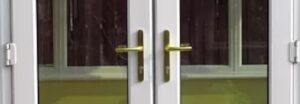
Title: Door Handle Emergency Repair: A Comprehensive Guide
When it comes to home maintenance, door handles are often overlooked till an emergency occurs. A malfunctioning door handle can frustrate residents and compromise security. Whether it's an easy jam or a complete breakdown, knowing how to address door handle issues can save time and cash. This short article provides an extensive introduction of common door handle problems, emergency repair strategies, and preventive procedures to keep your door handles functional.
Common Door Handle Problems
Before diving into emergency repair techniques, it's necessary to understand the kinds of door handle issues that may emerge. Here are some common problems:
- Loose Handles: Over time, door handles can become loose due to use and tear or inappropriate installation.
- Jammed Mechanisms: Dirt, debris, or foreign items can get lodged in the mechanism, avoiding smooth operation.
- Broken Handle: Forceful usage or external damage can lead to a broken handle that needs instant attention.
- Run-down Springs: The internal springs of a handle can break, causing dysfunction.
- Lock Malfunctions: Sometimes the handle is great, but the locking mechanism is jammed or not operating properly.
Emergency Repair Techniques
Depending upon the problem at hand, different repair methods might be more suitable. Below are detailed instructions for some common door handle emergency situations.
1. Repairing a Loose Handle
Tools Needed:
- Screwdriver
- Allen wrench (if applicable)
Steps:
- Identify the type of handle: Determine if it is a screw or cam locking mechanism.
- Tighten up the screws: Using a screwdriver, tighten any visible screws on the handle.
- Adjust the assembly: If your handle has an Allen screw, utilize the proper size to tighten it.
- Test the handle: Ensure the handle no longer wobbles and functions correctly.
2. Fixing a Jammed Handle
Tools Needed:
- Lubricant (WD-40 or similar)
- Cloth or paper towel
Steps:
- Inspect the location: Check for dirt, debris, or anything obstructing the handle's motion.
- Tidy the area: Use a fabric to clean down the handle and surrounding area.
- Apply lube: Spray lube into the moving parts of the handle.
- Run the handle: Move the handle backward and forward to distribute the lubricant and make sure performance.
3. Changing a Broken Handle
Tools Needed:
- New door handle
- Screwdriver
- Replacement screws (if required)
Steps:
- Remove the broken handle: USe a screwdriver to take off the screws securing the handle to the door.
- Set up the brand-new handle: Place the new handle in the exact same position as the old one and protect it with screws.
- Inspect functionality: Operate the handle to ensure it's working correctly.
4. Dealing With Worn Out Springs
Tools Needed:
- Replacement springs (normally consisted of with brand-new handles)
- Screwdriver
Steps:
- Disassemble the handle: Remove the screws, then separate the handle to access the internal mechanism.
- Replace the spring: Take out the worn-out spring and replace it with the new spring.
- Reassemble the handle: Put whatever back in location and protect with screws.
- Check the handle: Check to ensure the handle operates efficiently.
Preventive Maintenance Tips
To avoid emergencies with door handles in the future, routine maintenance is important. Here are some preventive maintenance tips:
- Routine Cleaning: Clean door handles regularly to prevent build-up of dirt and gunk.
- Routine Inspections: Check handles for looseness or sign of wear every few months.
- Lubrication: Apply lube to systems every 6 months to make sure smooth operation.
- Protect Installation: Ensure that all handles are installed correctly, with screws tightened appropriately.
FAQs About Door Handle Emergency Repairs
Q: How can I inform if my door handle is broken or simply loose?A: If the handle moves freely without engaging the door lock, it is most likely broken. If the handle wobbles however still runs the latch, it's most likely just loose.
Q: Can I repair a door handle myself?A: Yes, the majority of door handle problems can be fixed with basic tools and a little DIY knowledge. Nevertheless, if you're not sure or the problem persists, it's recommended to call a professional.
Q: What kinds of door handles require more maintenance?A: Handles that see heavy usage, such as exterior door handles or multipoint locking systems, typically require more frequent maintenance.
Q: Is it required to change a door handle if it ends up being loose?A: Not necessarily. You can typically fix a loose handle by tightening it. Nevertheless, if door handle repair professional is removed or damaged, a replacement might be required.
Q: What should I do if the lock mechanism is stuck?A: If the lock mechanism is stuck, attempt using a lubricant. If that does not work, it may require disassembly or professional assistance.
Comprehending emergency repairs for door handles is an essential skill for homeowners. From fixing a loose handle to changing broken parts, fundamental tools and knowledge can assist you manage door handle emergencies effectively. Furthermore, including preventive maintenance into your routine can keep your handles functioning smoothly, minimizing the danger of future issues. Empowering yourself with the skills to address these problems can lead to a more secure, more practical home environment.